

Table of Contents
- Introduction
- Passion Flower and How It Helps With Anxiety
- How to Use Passion Flower for Anxiety
- Safety, Side Effects &Contraindications
- Dosage & Comparisons for Anxiety Relief
-
Passion Flower Benefits for Women
- Effective Natural Anxiety Relief Methods
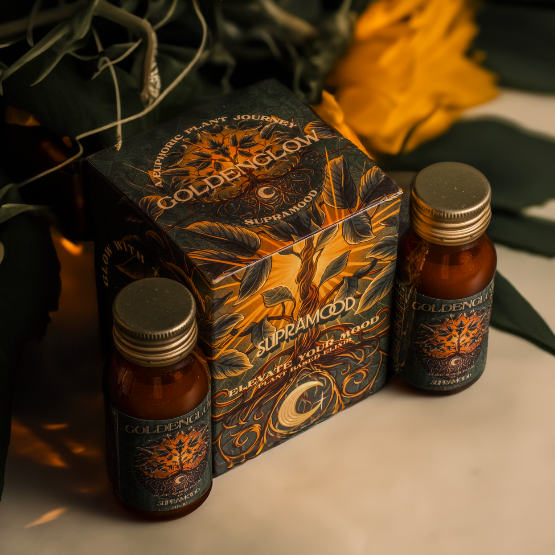
- Goldenglow by Supramood
- Conclusion
- FAQs
Introduction
Anxiety sits at the center of modern life. People feel pressure from work, family, relationships, screens, and pace. When calm becomes hard to hold, many reach for natural support that feels safe and steady. Passion flower and passion fruit draw interest because each brings a unique form of relief: one calms the nervous system while the other nourishes the body with essential nutrients. Together, they work like a gentle anchor for people who want rest without sedation.
You will learn the following key points in this blog:
- How passion flower acts through GABA to reduce tension.
- How do different forms, teas, tinctures, and capsules support anxiety relief?
- What passion flower reviews reveal about real-world experiences.
- Safety information, warnings, and who should avoid use.
- How passion fruit vitamins support mood and women’s health.
- The best natural drinks and herbs for anxiety support.
Passion Flower and How It Helps With Anxiety
Passion flower gained recognition because many cultures valued it for mood support, rest, and emotional clarity. Today, researchers continue to explore how it impacts the brain, and people use it as a gentle alternative to common anxiety medicines.
Overview of active compounds
Passion flower contains flavonoids like vitexin and isovitexin, which influence GABA receptors. GABA helps the brain stop excessive firing, which often fuels worry and panic. When GABA levels rise, the body gains a sense of control, and the mind stops spinning. These compounds also interact with the autonomic nervous system, which is responsible for heart rate and breathing rhythm. This explains why people often feel their breathing deepen after they take passion flower.
Traditional and modern uses
Native communities used passion flower for agitation, stress, and spiritual balance. It appeared in nighttime rituals because it helped settle both mind and body. Modern herbal medicine still uses it for tension, irritability, restlessness, and sleep problems linked to anxiety. The herb now appears in teas, tinctures, liquid extracts, capsules, and even calming gummies. As people look for alternatives to stronger medications, passion flower’s popularity continues to grow.
Evidence and reviews
Several studies show reduced anxiety before surgery and during stressful tasks. In clinical settings, patients given passion flower felt calmer without losing mental clarity. People who shared passion flower reviews often mention fewer racing thoughts, deeper breathing, and steadier mood. The reviews also show that people appreciate how the herb provides relief without causing emotional numbness or heavy sedation.
How to Use Passion Fruit for Anxiety
People use passion fruit in different ways depending on their lifestyle, sensitivity, and symptoms. Some rely on it daily, while others keep it for nights when anxiety grows heavier.

Passion flower for anxiety and depression
Passion flower supports emotional balance because GABA plays a role in both anxiety and mood. When thoughts no longer rush, people often feel more in control of their emotional reactions. Some use it during stressful life transitions, difficult relationship phases, or periods of emotional instability. It helps create enough mental space to process events without feeling overwhelmed.
When may it help? Passion flower works well for people who carry anxiety in their body, like they may have a stiff neck, tight chest, clenched jaw, or shallow breathing. It also supports those who have trouble switching off after long days.
Limitations
Passion flower does not replace therapy or treatment for severe depression. It works best for mild to moderate anxiety and emotional discomfort, not for severe psychiatric conditions.
Passion flower for sleep
A calm mind leads to healthier sleep, and passion flower helps people who struggle with rest due to mental tension. When the nervous system slows down, the body can enter the sleep cycle more smoothly.
How does it support insomnia
It supports the transition between wakefulness and sleep by reducing mental overstimulation. People who wake several times at night often notice more continuous rest with regular use.
Sleep cycle benefits
Passion flower helps regulate REM sleep by shaping a smoother, more balanced cycle. When REM stabilizes, people wake with clearer thoughts and more mental energy.
The best way to take it for sleep? Most people prepare a warm cup of tea or take a tincture before bed. Warm tea relaxes the muscles, while tinctures enter the bloodstream faster. Taking it at the same time each night helps maintain a rhythm.
How long does passion flower take to work?
Passion flower typically starts to show calming effects within 30 minutes to 2 hours after consumption, depending on the form (tea, extract, or capsule) and individual body response. Consistent use over several days may enhance its anxiety-reducing and sleep-promoting benefits.
Onset time for teas vs. supplements
Passion flower tea often works faster because the warm liquid increases absorption. People usually feel relaxed within half an hour. Capsules take longer because they need to break down in the stomach before releasing the active compounds.
How long do the effects last? The effects may stay for three to four hours. With daily use, people sometimes report a more consistent sense of calm that lasts throughout the day.
Does passion flower really work for anxiety?
Yes, passion flower has been shown to have mild to moderate effects in reducing anxiety in several studies. While it may not replace prescription treatments for severe anxiety, many people find it helpful for stress relief and promoting relaxation when used consistently.
What research says? Studies show improvements in calmness, focus, and physical relaxation. In several cases, passion flower performed similarly to mild anti-anxiety drugs but without the heavy sedation.
User reviews for passion flower
People say their thoughts feel less sharp, and the emotional spikes soften. Some mention that it helps reduce caffeine-related anxiety. Others say their sleep improved noticeably within a week. Many pair it with a passion fruit drink because the nutrients create a refreshing and nourishing effect.
How to use passion flower for anxiety
Passion flower can be used for anxiety in several forms, including herbal teas, tinctures, capsules, or extracts. It’s generally recommended to follow the dosage instructions on the product, and starting with a lower dose can help gauge individual tolerance and effectiveness.
Teas, extracts, tinctures, capsules, gummies
Tea works well for nighttime relaxation. Extracts and tinctures offer quicker effects. Capsules support consistent daily use. Gummies provide a convenient option for travel or work.
Best timing (morning/evening)
Morning use helps people who experience daytime worry or public stress. Evening use supports better sleep. Some take small amounts both times for balanced support.
Continuous vs. occasional use
Many see benefits from daily use for two to three weeks. Others use it occasionally during stressful events, exams, travel, or emotional days.
Passion flower for anxiety reviews
Reviews of passion flower for anxiety are generally positive, with many users reporting reduced stress, improved relaxation, and better sleep. While individual results vary, it is often praised as a natural and gentle alternative for managing mild to moderate anxiety.
Summary of common customer experiences
People often express relief in how their breathing deepens and their mind feels less cluttered. Many say they function better socially because anxiety no longer dominates their thoughts.
Reported pros and cons
Pros include mental clarity, steady calmness, and improved sleep. Cons include occasional dizziness at high doses and reduced alertness if combined with other sedatives.
Safety, Side Effects & Contraindications
Using passion flower responsibly makes it far safer and more effective. Not everyone should take it, and dosage matters.
Who should not take passion flower?
Pregnant women
Passion flower may affect uterine muscle activity, which makes it unsafe during pregnancy. Healthcare providers recommend avoiding it to reduce risk.
Breastfeeding women
There is not enough research on how passion flower compounds affect infants, which is why caution is necessary.
People on sedatives, antidepressants, and blood thinners
Because passion flower influences the nervous system, it may intensify the effects of sedatives or interact with medications. People on blood thinners should also avoid it due to possible interference with clotting.
Surgery risks
Since passion flower may slow the nervous system, it can increase sedation risks during surgery. Doctors recommend stopping use two weeks before a procedure.
What is the warning on passionflower?
Warnings for passion flower include potential drowsiness, dizziness, or allergic reactions, especially when combined with sedatives, blood pressure medications, or alcohol. Pregnant or breastfeeding women should consult a healthcare professional before use.
Possible drowsiness
Some people feel heavy or slow after high doses, especially if taken during the day.
Drug interactions
It may increase the effects of sleep medicines and antidepressants, so medical advice is important.
Not suitable for long-term high-dose use
High doses may reduce concentration or cause fatigue. Balanced, moderate use offers better safety.
Dosage & Comparisons for Anxiety Relief
Dosage determines how well passion flower works. Taking the right amount helps avoid drowsiness or weak effects.
Passion flower dosage for anxiety
Tea usually uses 1-2 grams of dried herb steeped for several minutes. Extracts range between 250-500 mg depending on concentration. Capsules offer a simple way to maintain consistent intake.
Standardized extract strengths
Standardized extracts contain measured quantities of flavonoids, which ensures predictable results each time. This consistency helps people achieve steady relief.
How much passion flower should I take for anxiety?
For anxiety, a typical dose of passion flower ranges from 250-500 mg of extract or 1-2 cups of tea daily, depending on the form and individual tolerance.
Beginner, moderate, and higher doses
Beginners start small to observe how their body responds. Moderate users take it once or twice daily. Higher doses should only be used under guidance.
When to adjust the dose
People adjust when they feel overly sleepy or when their anxiety remains unchanged. The ideal dose keeps the mind calm without lowering alertness.
Maximum safe intake
Herbal specialists usually advise not exceeding 900 mg of concentrated extract per day unless monitored.
Which is better for anxiety, passionflower or ashwagandha?
It depends on your needs: passionflower tends to work more quickly via its GABA‑modulating effects, making it useful for acute stress or mild anxiety. Ashwagandha, on the other hand, acts as an adaptogen, lowering cortisol over time, so it’s generally better for chronic stress and longer‑term anxiety management.
Differences in effects? Passion flower works as a calming herb. Ashwagandha works as an adaptogen that helps regulate stress hormones.
Which works better for chronic anxiety
Ashwagandha often works better for long-term stress. Passion flower works quickly during sudden anxiety spikes.
Sedative vs. adaptogenic benefits
Passion flower encourages sleep and calm. Ashwagandha rebuilds stress tolerance.
Can you take them together?
People often use both because they work in different ways. Medical approval is important before combining herbs.
Passion Flower Benefits for Women
Women often deal with fluctuating hormones, sleep disturbances, mood shifts, and cycle-related tension. Passion flower supports these areas with its calming, balancing effects.
Passion flower benefits for females? Passion flower offers several benefits for females, including stress and anxiety relief, improved sleep quality, and hormonal balance.

It may also help ease menstrual discomfort and support overall emotional well-being.
Hormonal support
Hormonal swings can create irritability, anxiety, or emotional reactivity. Passion flower steadies these symptoms by calming the nervous system. The body responds better to hormonal changes when the nervous system is calm.
PMS and PMDD anxiety reduction
Women who experience sudden mood shifts, crying spells, restlessness, or irritability before their period often find relief with passion flower. Its effects on GABA help regulate emotional intensity.
Menopause-related sleep and mood issues
During menopause, sleep often becomes irregular. Night sweats and hot flashes increase anxiety. Passion flower brings comfort by improving sleep quality and easing mental strain.
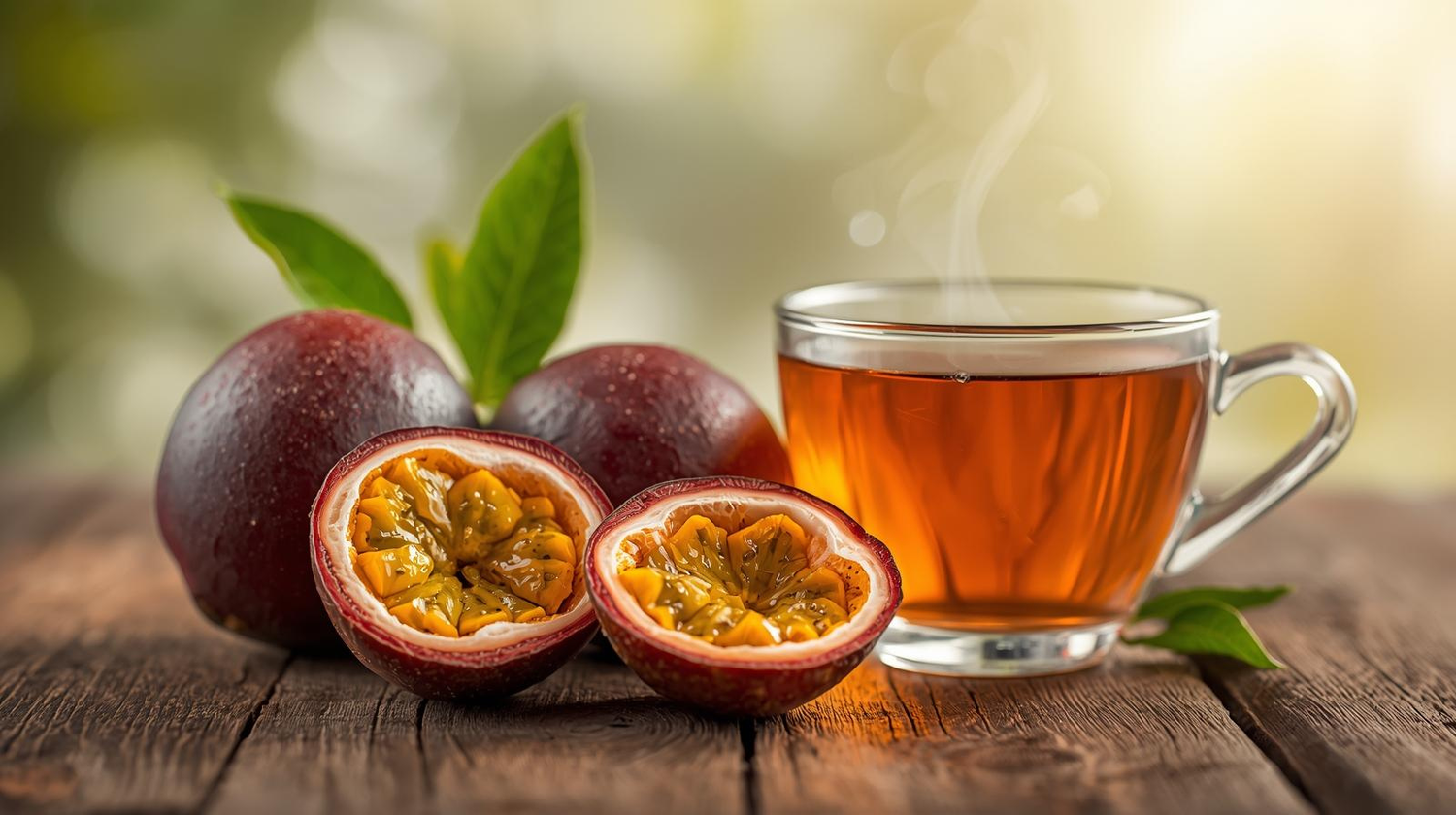
Passion fruit vitamins add support because they help maintain energy, immunity, and mood stability, which is why many highlight the benefits of passion fruit for women.
Effective Natural Anxiety Relief Methods
People often explore wider natural options when looking for anxiety support. Here are helpful answers based on natural wellness practices.
What is the best drink for anxiety?
Herbal teas like passion flower, chamomile, lavender, and lemon balm support calming the nerves. Warm magnesium drinks relax muscle tension and slow overactive thoughts. A passion fruit drink offers hydration, vitamin C, and antioxidants that help maintain emotional well-being.
What calms anxiety naturally?
Herbs help quiet the mind. Deep breathing restores balance. Good sleep resets the nervous system. Simple lifestyle steps like sunlight, movement, hydration, and grounding techniques help reduce anxiety over time.
Which plant gets rid of anxiety?
Passion flower targets nervous system activity. Ashwagandha helps the body adapt to stress. Lavender relaxes the senses. Valerian supports sleep. Lemon balm helps uplift mood.
What is the 3-3-3 anxiety rule?
You notice three things you see, listen for three sounds, and move three body parts. This shifts your attention from internal stress to external reality. It breaks the cycle of anxious thoughts and anchors the mind.
What is the number one vitamin for anxiety?
Vitamin B complex supports nerve health. Vitamin D affects mood. Magnesium relaxes the body. Omega-3 supports brain chemistry and helps stabilize emotional response.
Goldenglow by Supramood
Goldenglow by Supramood highlights passion fruit as its key ingredient due to its rich nutrient profile. Passion fruit vitamins support immunity, digestion, energy, and mood.

Many people choose Goldenglow for a refreshing daily drink that nourishes the body and complements natural anxiety support methods. The blend aims to offer a bright, uplifting flavor while providing nutritional balance.
Conclusion
Passion flower offers gentle relief for people seeking natural ways to manage anxiety and sleep disturbances. It works through GABA, helping the mind slow down and the body relax. When paired with passion fruit, people gain both calmness and nutritional support. While it is not a treatment for severe anxiety disorders, it becomes a soothing tool when used responsibly. With the right dosage and awareness of safety guidelines, passion flower can be part of a healthy routine that supports emotional balance, better sleep, and long-term well-being.
FAQs
What are the passion flower sleep benefits?
It calms the mind, deepens rest, and reduces nighttime awakenings.
What herbal tea helps with anxiety?
Passion flower, chamomile, lemon balm, and lavender support calmness.
What tea helps calm anxiety?
Passion flower tea works well for people who want gentle relief without sedation.
What is the Passiflora incarnata mother tincture dosage for insomnia?
The usual range is 20-40 drops in water before bed, but product instructions should always guide use.


Leave a comment
All comments are moderated before being published.
This site is protected by hCaptcha and the hCaptcha Privacy Policy and Terms of Service apply.